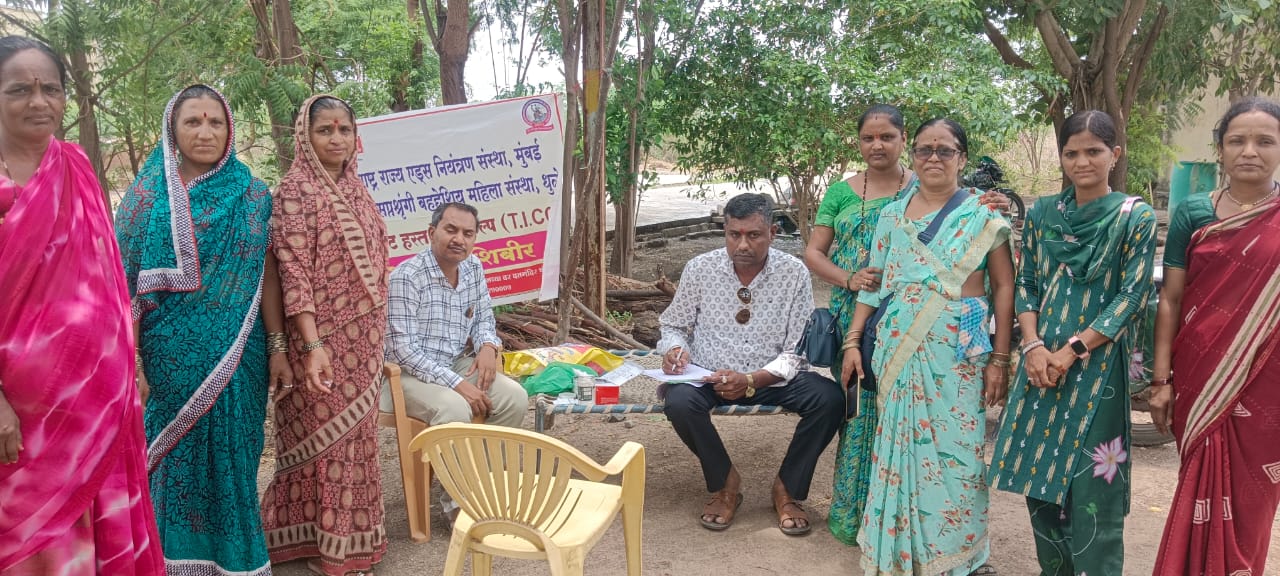
The Targeted Intervention (TI) Project has been implemented since 2006 under the guidance of the Maharashtra State AIDS Control Society (MSACS), Mumbai. The project specifically addresses the prevention and control of HIV among high-risk groups (HRGs) in urban and semi-urban areas.
Objectives of the TI Project
To reduce the spread of HIV among high-risk populations such as:
Female Sex Workers (FSW)
Men having Sex with Men (MSM)
Migrants and Truckers
People Living with HIV (PLHIV) and their spouses/partners
To provide comprehensive HIV/STI prevention, care, and support services.
To establish referral linkages with ICTCs, ART centers, STI clinics, and government hospitals.
To empower communities by reducing stigma and discrimination associated with HIV/AIDS.
Major Activities Conducted
Peer-Led Outreach: Peer educators from within HRG communities conduct regular outreach for awareness, counseling, and condom promotion.
HIV Testing & Counseling: Free HIV testing through ICTCs, followed by counseling and emotional support.
STI Management: Regular check-ups, VDRL tests, treatment of sexually transmitted infections through referral clinics.
ART Linkages: Ensuring all HIV-positive individuals are linked to ART centers for free treatment.
Condom Promotion: Distribution of free condoms to HRGs to encourage safe practices.
Community Mobilization: Involving local leaders, NGOs, and health workers in sensitization programs.
Behavior Change Communication (BCC): IEC campaigns, street plays, and workshops on HIV/AIDS prevention.
Achievements (2006 – Present)
Covered more than 15,000 beneficiaries under FSW and MSM categories in the district.
Conducted regular health check-ups for HRGs including HIV, STI, and VDRL testing.
Successfully linked all identified HIV-positive cases to ART centers.
Provided counseling and psychosocial support to HIV-affected families, ensuring treatment adherence.
138 out of 140 HIV-exposed children tested HIV-negative, showing effective prevention efforts.
Created a sustainable peer-educator and outreach worker network for long-term impact.
Reduced stigma, promoted safe practices, and improved health-seeking behavior among HRGs.
Long-Term Impact
Significant reduction in new HIV infections among HRGs.
Enhanced awareness and acceptance of safe sexual practices.
Increased treatment adherence and access to government health facilities.
Strong community ownership and involvement in HIV prevention.